12 Jan 2026 • Reading Time: 3 min
When customizing a gun safe, the lock is the security and access nexus. It determines how quickly you can reach your firearms in an emergency and how effectively the safe resists unauthorized entry. Modern safe technology offers three main categories of locks, each presenting a distinct trade-off between speed, reliability, and complexity.
Understanding these options is essential before you place your custom order.
1. The Classic: Mechanical Dial Locks
The mechanical lock is the traditional workhorse of the safe industry, relying on a system of wheels and gates aligned by turning a numbered dial.
Key Characteristics
- Security: Excellent. They are extremely difficult to manipulate or bypass without specialized knowledge and equipment.
- Reliability: Highest. Mechanical locks require no batteries, are immune to electronic interference (like EMPs or nearby RF signals), and rarely fail when properly maintained. They are the most durable choice for long-term, passive storage.
- Access Speed: Slowest. This is their major drawback. Dialing in a four-number combination takes time, especially under duress or in low light.
- Best For: Long-term storage, high-value collections, or environments where electrical power or batteries are unreliable.
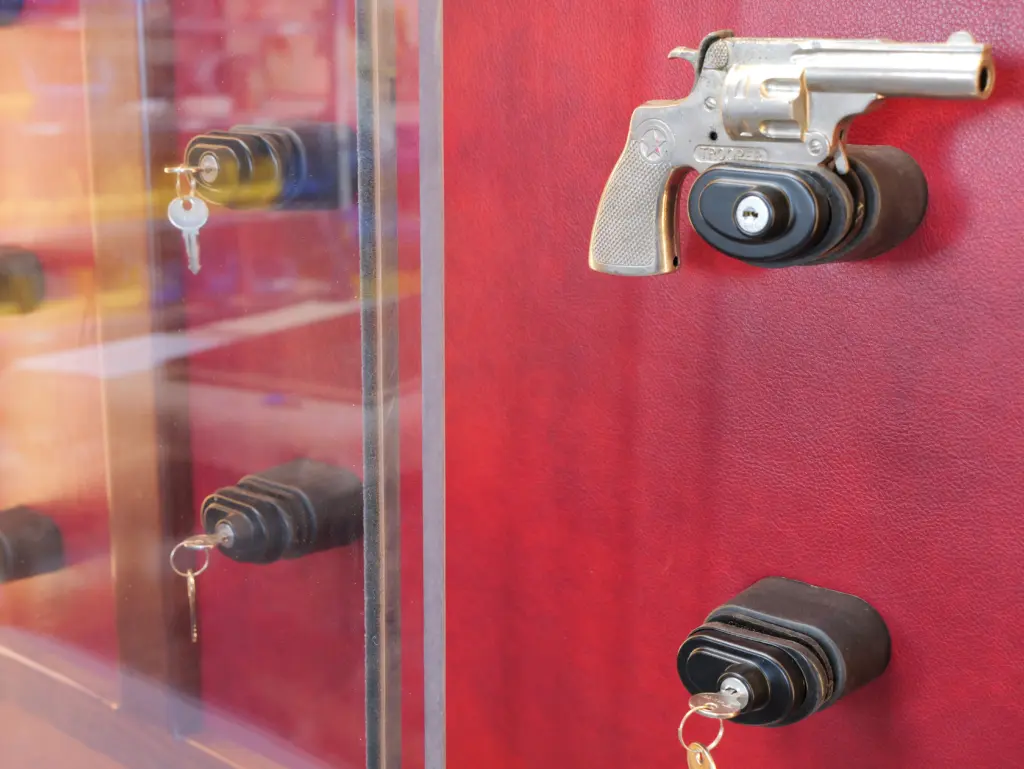
2. The Modern Standard: Electronic Keypad Locks
Electronic locks utilize a keypad where a code is entered, activating an internal solenoid or motor to retract the bolt. They have become the standard for modern residential safes.
Key Characteristics
- Security: Very high. They offer millions of possible combinations and often include features like “tamper-lockout” (shuts down after too many incorrect entries).
- Reliability: High, but requires maintenance. They depend on batteries (usually 9V or AA), which must be checked and replaced regularly.
- Access Speed: Fast. Entering a 6-to-8 digit code is significantly faster than dialing a combination, making them suitable for everyday use and relatively quick access. Many models offer a “duress code” feature, which may send a silent alert while opening the safe.
- Best For: Everyday storage, home defense, and users who want customizable codes and faster access than a mechanical dial.
3. The Future: Biometric Fingerprint Locks
Biometric technology offers the ultimate solution for rapid access, particularly for home defense. These locks use a sensor to read the authorized user’s unique fingerprint to grant access instantly.
Key Characteristics
- Security: High. A fingerprint is unique, preventing unauthorized entry. However, the reliability can be affected by factors like dirty fingers, cuts, or sensor quality.
- Reliability: Moderate. While fast, they rely heavily on batteries and high-quality sensors. If the battery dies or the sensor is damaged, access can be compromised (though most models include a backup key or backup electronic keypad).
- Access Speed: Fastest. Access is virtually instantaneous, making them the preferred choice for immediate-access safes and concealment furniture.
- Best For: Home defense firearms, hidden safes, and users prioritizing the fastest possible access time.
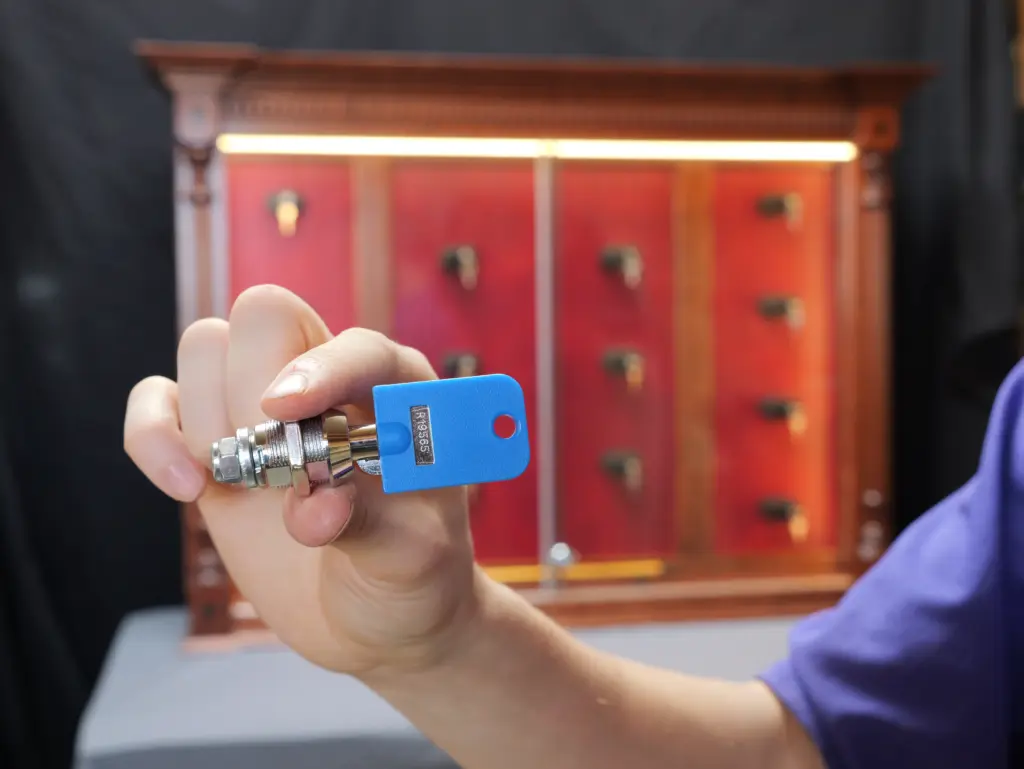
Making Your Custom Choice
When ordering a custom safe, you aren’t limited to a single choice. Many premium custom builders offer redundant locking systems (as mentioned in our discussion on collector safes), combining a primary electronic or biometric lock with a mechanical dial backup. This provides the speed of electronics with the fail-safe reliability of mechanical hardware.
Ultimately, your choice should reflect your primary use:
| Primary Use Case | Recommended Lock Type |
|---|---|
| Heirloom/Long-Term Storage | Mechanical Dial |
| Quick Daily Access | Electronic Keypad |
| Immediate Home Defense | Biometric with Electronic Backup |
Choosing the right lock ensures your custom safe meets its dual purpose: providing impenetrable security while delivering immediate access when you need it most.
Related Posts
View All
Uncategorized
Reading Time: 12 min
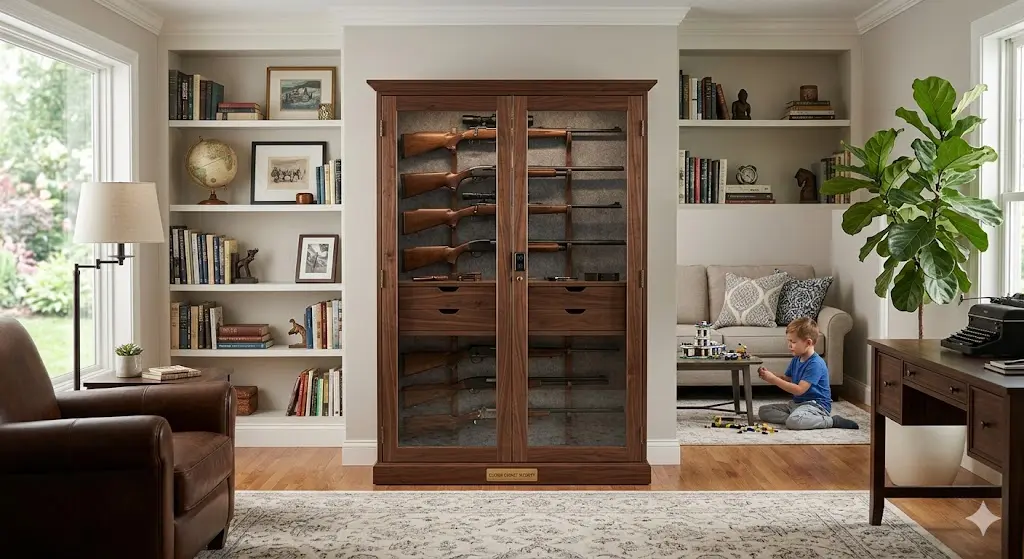
How to Childproof Your Gun Storage Without Sacrificing Display or Quick Access
Key Takeaways A note on this topic: Child gun safety is a serious subject that deserves honest, specific treatment rather
Read More
Uncategorized
Reading Time: 12 min
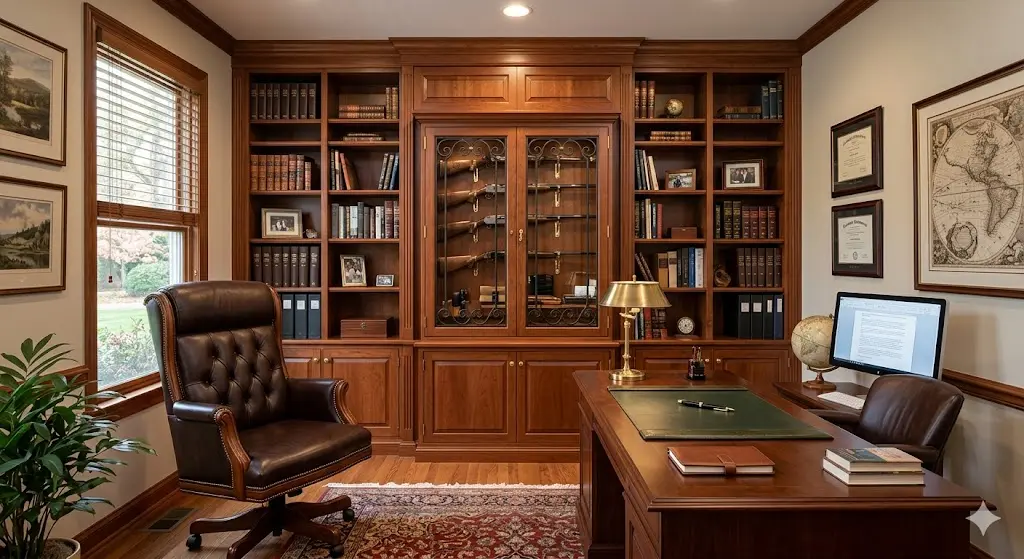
Gun Safes for Home Offices and Studies: How to Blend Security Into a Professional Space
Key Takeaways The Problem With the Standard Approach Most gun owners who have a dedicated home office or study eventually
Read More
Uncategorized
Reading Time: 10 min
What the Custom Order Process Actually Looks Like: From Consultation to Delivery of Your Amish Gun Cabinet
Key Takeaways The Uncertainty Most Buyers Feel Before They Reach Out A significant number of people who spend time on
Read More
