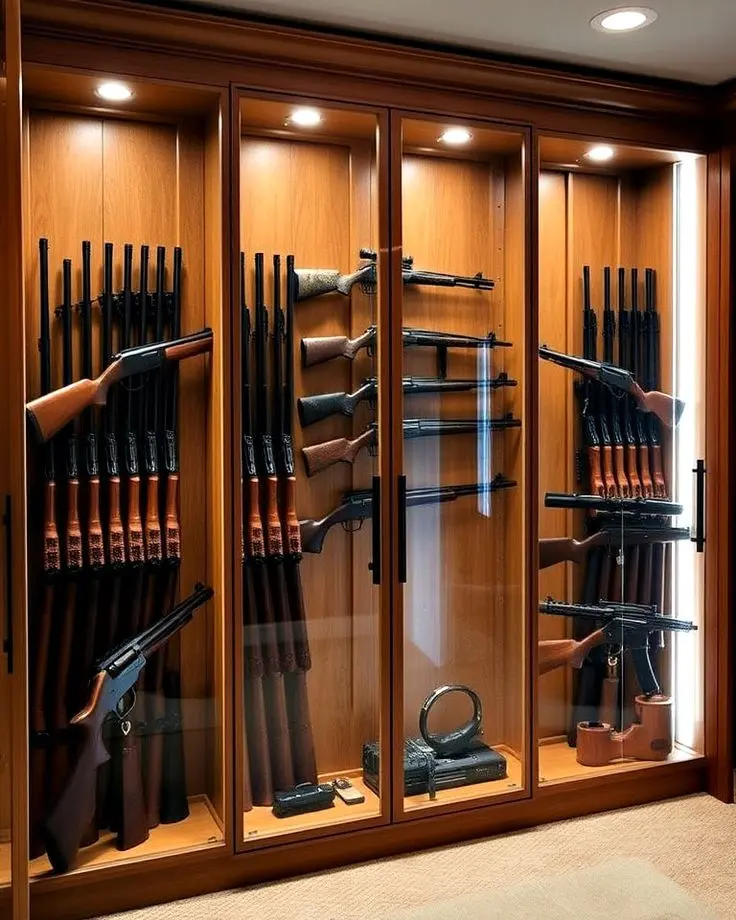
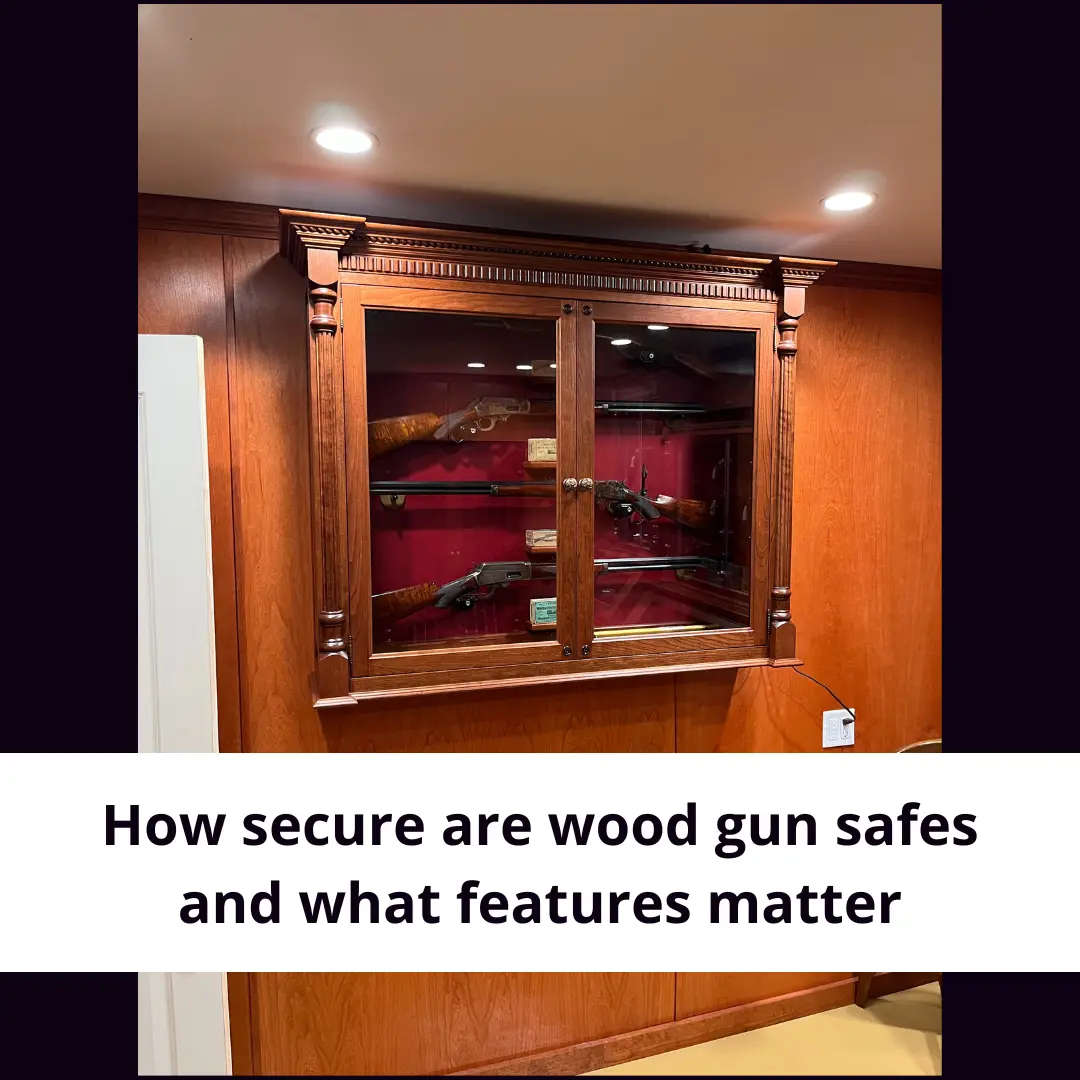
When selecting a gun safe, it is crucial to understand the various security features that enhance its effectiveness. Key features include locking mechanisms, fire resistance, and overall construction quality, which play a significant role in safeguarding firearms against theft and unauthorized access.
For example, safes with biometric locks offer quick access while maintaining high security, while those with traditional key locks may provide a different level of convenience. Additionally, fire-resistant safes can protect firearms and ammunition from heat damage in the event of a fire, making them a worthwhile investment for safety-conscious owners.
Choosing the Right Size for Your Gun Safe
Selecting the appropriate size for your gun safe is essential to accommodate your current and future firearm collection. A safe that is too small may lead to overcrowding, while one that is excessively large can take up unnecessary space and resources.
Consideration should be given not only to the number of firearms but also to their dimensions and any additional accessories such as ammunition or valuables. For instance, a safe that can hold 10 long guns might also need space for handguns and other items, making it vital to plan for growth in your collection.
Maintenance Tips for Your Gun Safe
Proper maintenance of your gun safe is vital to ensure its longevity and effectiveness. Regular checks for humidity levels, cleaning of locking mechanisms, and ensuring the safe is bolted down can prevent deterioration and enhance security.
Using dehumidifiers inside the safe can help prevent rust and corrosion on firearms, while routine inspections can catch potential issues before they become significant problems. Additionally, keeping the exterior clean and ensuring that the locking mechanism operates smoothly will contribute to the safe's overall reliability.
Legal Considerations for Gun Storage
Understanding the legal requirements for gun storage is essential for responsible firearm ownership. Laws can vary significantly by state, impacting how firearms must be stored and secured to comply with local regulations.
For example, some states mandate that firearms must be stored in locked containers, while others may have specific requirements regarding the accessibility of firearms in homes with children. Familiarizing yourself with these regulations not only promotes safety but also helps avoid legal repercussions.
When selecting a gun safe, it is crucial to understand the various security features that enhance its effectiveness. Key features include locking mechanisms, fire resistance, and overall construction quality, which play a significant role in safeguarding firearms against theft and unauthorized access.
For example, safes with biometric locks offer quick access while maintaining high security, while those with traditional key locks may provide a different level of convenience. Additionally, fire-resistant safes can protect firearms and ammunition from heat damage in the event of a fire, making them a worthwhile investment for safety-conscious owners.
Choosing the Right Size for Your Gun Safe
Selecting the appropriate size for your gun safe is essential to accommodate your current and future firearm collection. A safe that is too small may lead to overcrowding, while one that is excessively large can take up unnecessary space and resources.
Consideration should be given not only to the number of firearms but also to their dimensions and any additional accessories such as ammunition or valuables. For instance, a safe that can hold 10 long guns might also need space for handguns and other items, making it vital to plan for growth in your collection.
Maintenance Tips for Your Gun Safe
Proper maintenance of your gun safe is vital to ensure its longevity and effectiveness. Regular checks for humidity levels, cleaning of locking mechanisms, and ensuring the safe is bolted down can prevent deterioration and enhance security.
Using dehumidifiers inside the safe can help prevent rust and corrosion on firearms, while routine inspections can catch potential issues before they become significant problems. Additionally, keeping the exterior clean and ensuring that the locking mechanism operates smoothly will contribute to the safe's overall reliability.
Legal Considerations for Gun Storage
Understanding the legal requirements for gun storage is essential for responsible firearm ownership. Laws can vary significantly by state, impacting how firearms must be stored and secured to comply with local regulations.
For example, some states mandate that firearms must be stored in locked containers, while others may have specific requirements regarding the accessibility of firearms in homes with children. Familiarizing yourself with these regulations not only promotes safety but also helps avoid legal repercussions.