$500 off your next order till the end of the month
Understanding Gun Safe Security Features
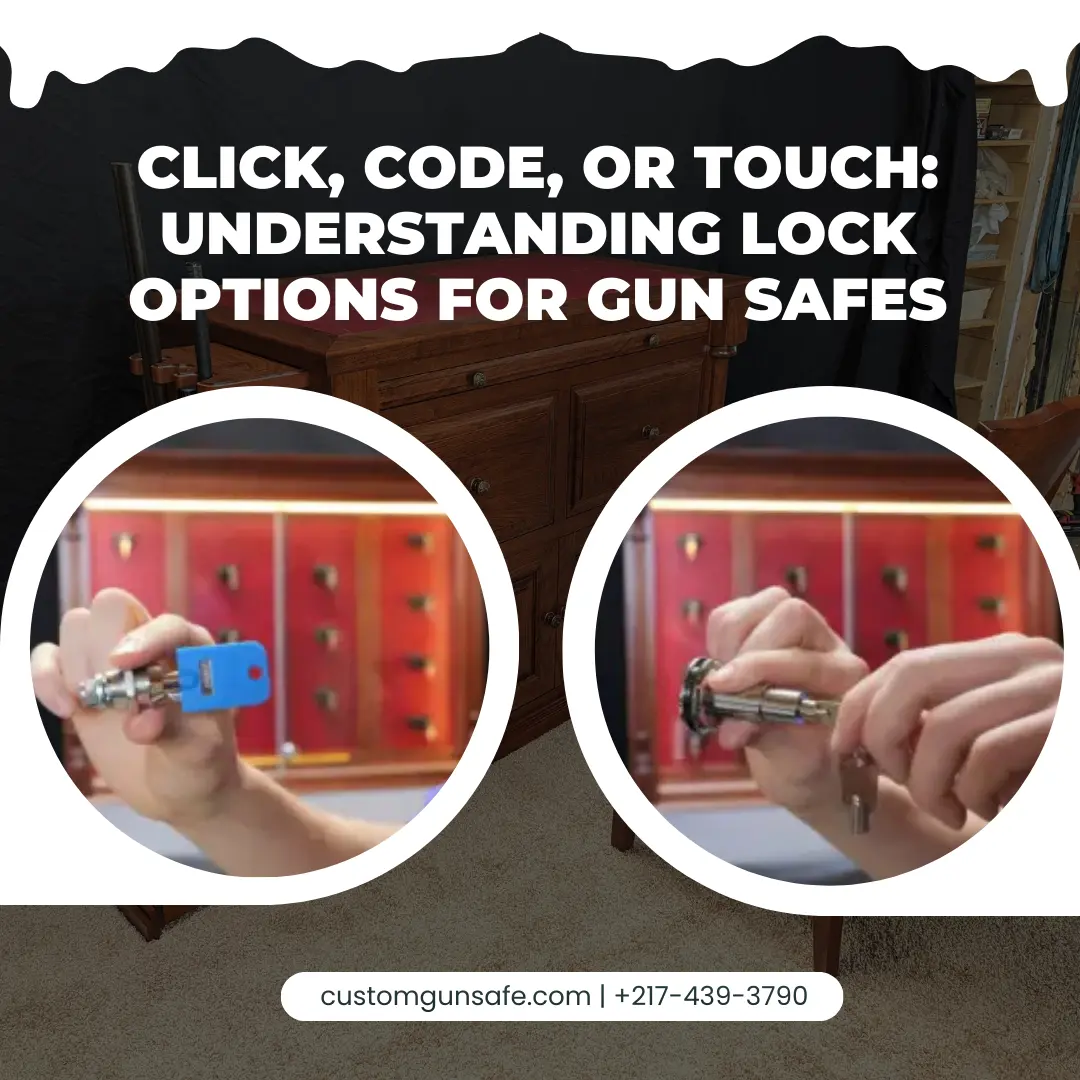
When selecting a gun safe, it's crucial to understand the various security features that enhance its effectiveness. Key features include biometric locks, electronic keypads, and traditional combination locks, each offering different levels of access control and security. Knowing how these features function can help users choose the right safe that meets their security needs.
For instance, biometric locks provide quick access using fingerprint recognition, ideal for those who prioritize speed in emergencies. On the other hand, electronic keypads allow users to set and change codes easily, while combination locks offer a tried-and-true method of securing firearms. Understanding these options can significantly impact user satisfaction and safety.
Choosing the Right Size for Your Gun Safe
Choosing the appropriate size for a gun safe is essential to ensure all firearms and valuables can be stored securely. Users should consider the number of firearms they own, including any future acquisitions, as well as additional items such as ammunition and important documents that may also require secure storage.
A common guideline is to select a safe that can accommodate at least 25% more than the current inventory. This extra space allows for growth and prevents overcrowding, which could potentially compromise the integrity of the safe. Additionally, users should also consider the dimensions of their space to ensure the safe fits comfortably without obstructing access to other areas.
Maintenance Tips for Your Gun Safe
Regular maintenance of a gun safe is crucial for ensuring its longevity and effectiveness. Users should regularly check the locking mechanism, inspect for any signs of rust or damage, and ensure that the interior remains dry and free from moisture, which can lead to corrosion of firearms.
For optimal performance, it's recommended to lubricate the locks periodically and to use a dehumidifier if the safe is stored in a damp environment. These simple maintenance tasks can help maintain the integrity of the safe and protect valuable items stored within.
Legal Considerations for Gun Storage
Understanding the legal considerations for gun storage is vital for responsible ownership. Laws regarding firearm storage can vary significantly by state, often stipulating specific requirements for securing firearms, especially in homes with children or unauthorized individuals.
For example, some states require firearms to be stored in a locked safe or cabinet when not in use. Familiarizing oneself with local regulations not only ensures compliance but also enhances safety within the home. It's advisable for gun owners to regularly review these laws as they can change over time, impacting how firearms should be stored securely.
Understanding Gun Safe Security Features
When selecting a gun safe, it's crucial to understand the various security features that enhance its effectiveness. Key features include biometric locks, electronic keypads, and traditional combination locks, each offering different levels of access control and security. Knowing how these features function can help users choose the right safe that meets their security needs.
For instance, biometric locks provide quick access using fingerprint recognition, ideal for those who prioritize speed in emergencies. On the other hand, electronic keypads allow users to set and change codes easily, while combination locks offer a tried-and-true method of securing firearms. Understanding these options can significantly impact user satisfaction and safety.
Choosing the Right Size for Your Gun Safe
Choosing the appropriate size for a gun safe is essential to ensure all firearms and valuables can be stored securely. Users should consider the number of firearms they own, including any future acquisitions, as well as additional items such as ammunition and important documents that may also require secure storage.
A common guideline is to select a safe that can accommodate at least 25% more than the current inventory. This extra space allows for growth and prevents overcrowding, which could potentially compromise the integrity of the safe. Additionally, users should also consider the dimensions of their space to ensure the safe fits comfortably without obstructing access to other areas.
Maintenance Tips for Your Gun Safe
Regular maintenance of a gun safe is crucial for ensuring its longevity and effectiveness. Users should regularly check the locking mechanism, inspect for any signs of rust or damage, and ensure that the interior remains dry and free from moisture, which can lead to corrosion of firearms.
For optimal performance, it's recommended to lubricate the locks periodically and to use a dehumidifier if the safe is stored in a damp environment. These simple maintenance tasks can help maintain the integrity of the safe and protect valuable items stored within.
Legal Considerations for Gun Storage
Understanding the legal considerations for gun storage is vital for responsible ownership. Laws regarding firearm storage can vary significantly by state, often stipulating specific requirements for securing firearms, especially in homes with children or unauthorized individuals.
For example, some states require firearms to be stored in a locked safe or cabinet when not in use. Familiarizing oneself with local regulations not only ensures compliance but also enhances safety within the home. It's advisable for gun owners to regularly review these laws as they can change over time, impacting how firearms should be stored securely.