Understanding Gun Safe Security Ratings
When selecting a gun safe, understanding security ratings is crucial. These ratings provide insight into the safe's ability to protect against unauthorized access and theft. Common rating systems include UL ratings, which assess fire resistance and burglary protection, helping consumers make informed choices based on their security needs.
For instance, a safe with a UL RSC (Residential Security Container) rating has met specific standards for burglary resistance. Additionally, understanding the differences between various ratings can guide buyers in selecting a safe that not only fits their budget but also offers the level of security necessary for their firearms and valuables.
Choosing the Right Size for Your Gun Safe
Choosing the right size for a gun safe is essential to ensure it meets your storage needs without taking up unnecessary space. Consideration should be given to the number of firearms, ammunition, and any additional items you wish to store, such as documents or valuables.
A common mistake is underestimating future needs; opting for a slightly larger safe can accommodate new purchases. For example, if you currently own five firearms but plan to expand your collection, selecting a safe that can hold eight or more will save you the hassle of upgrading later.
Comparing Gun Safe Materials: Wood vs. Steel
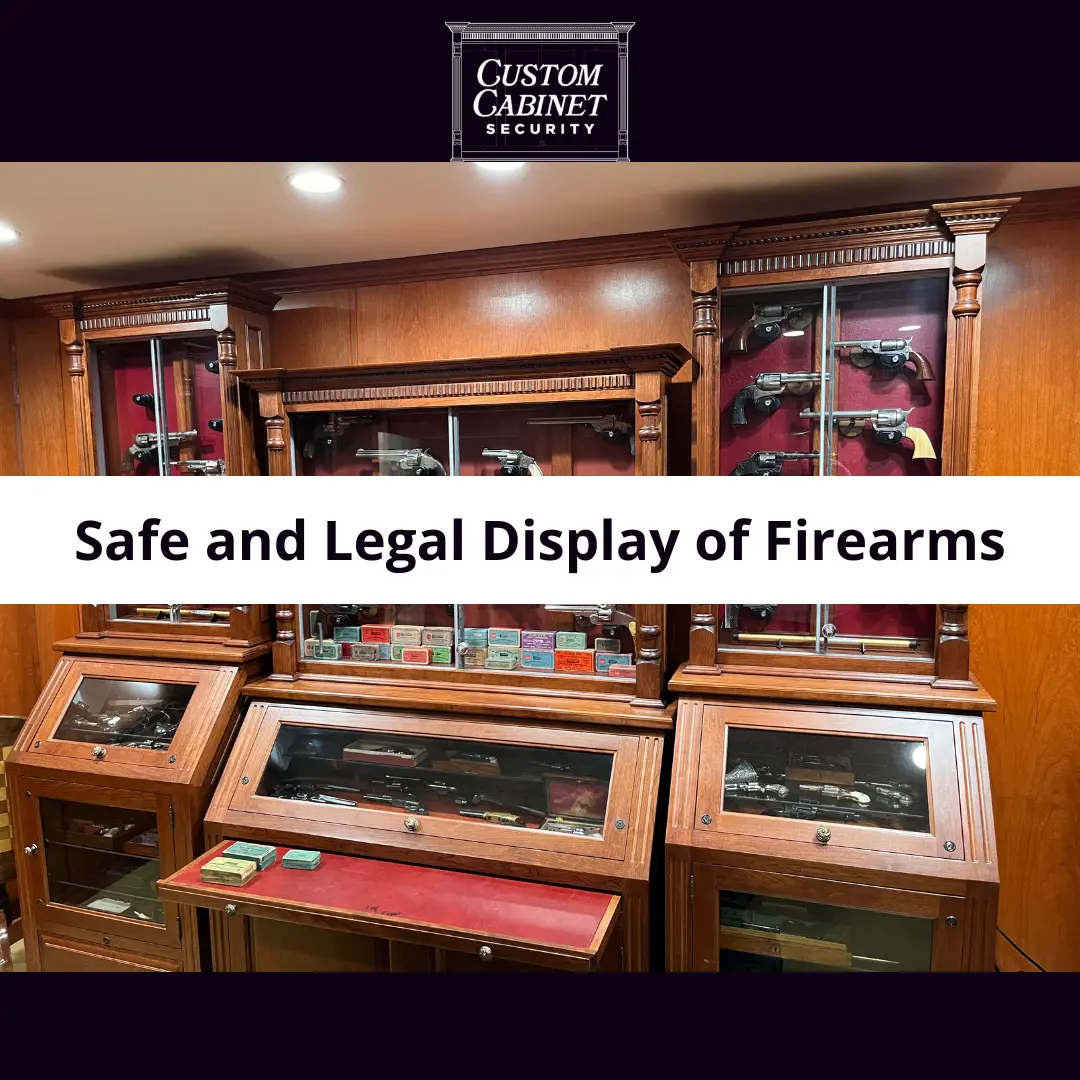
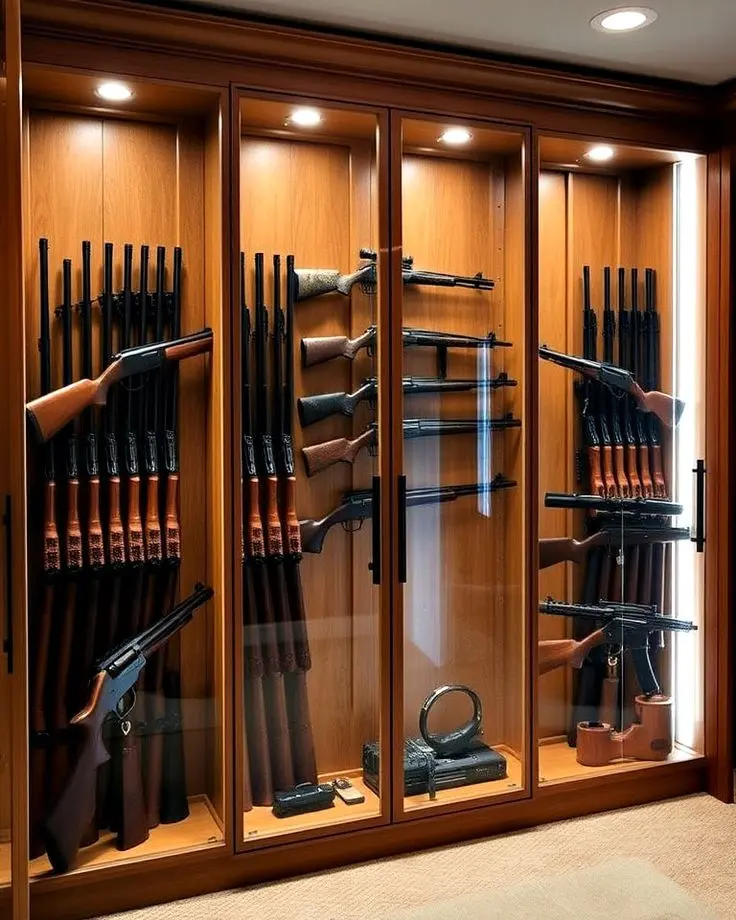
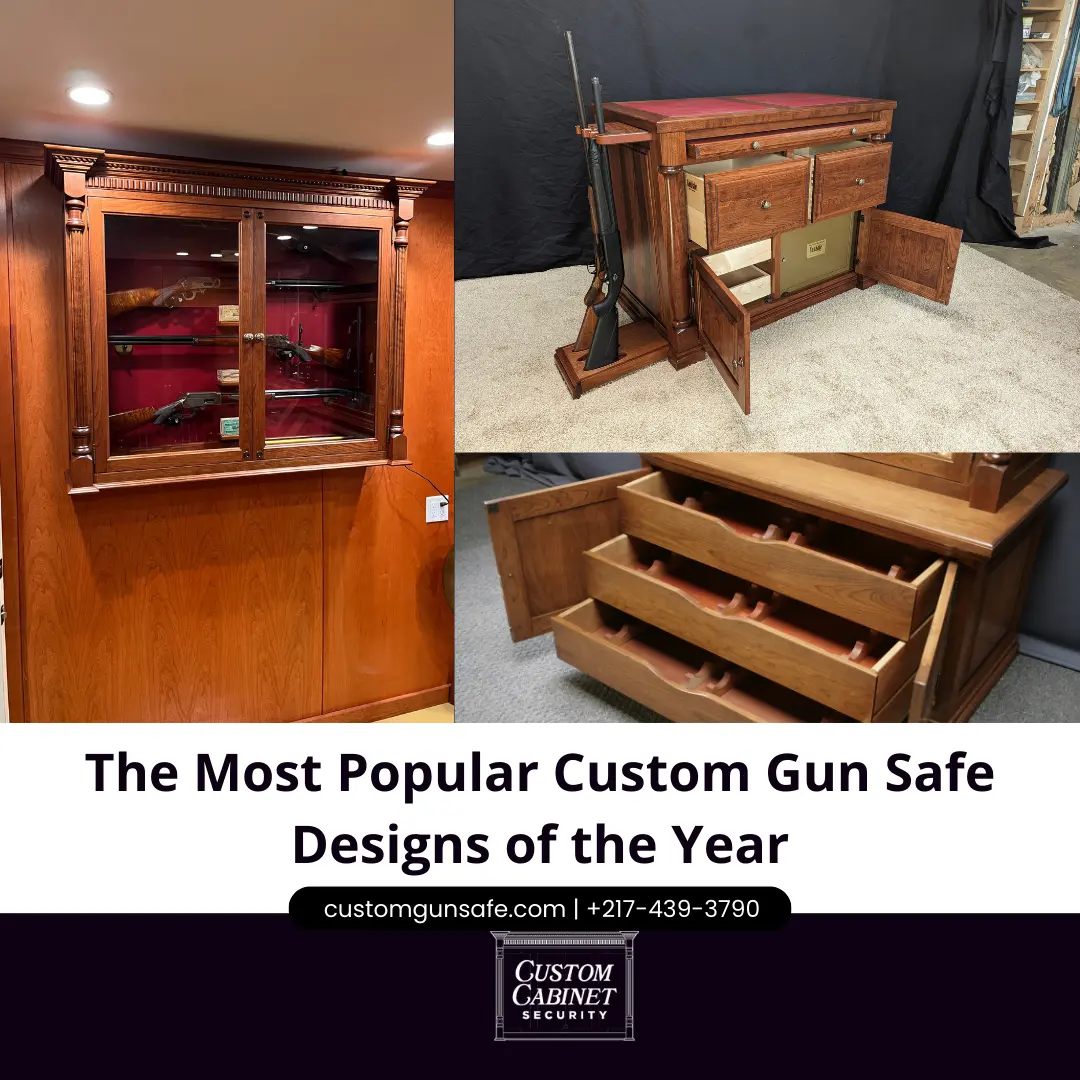
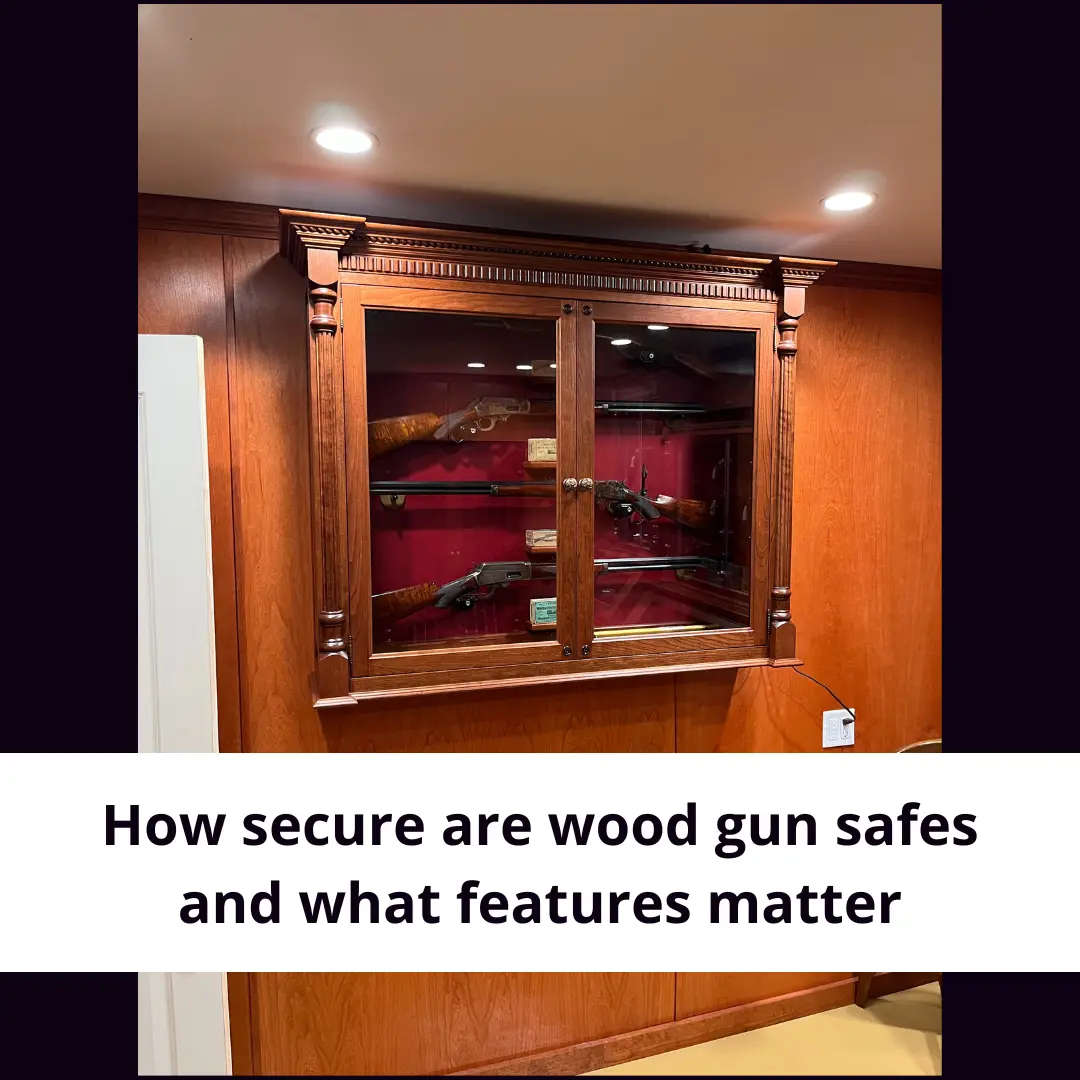
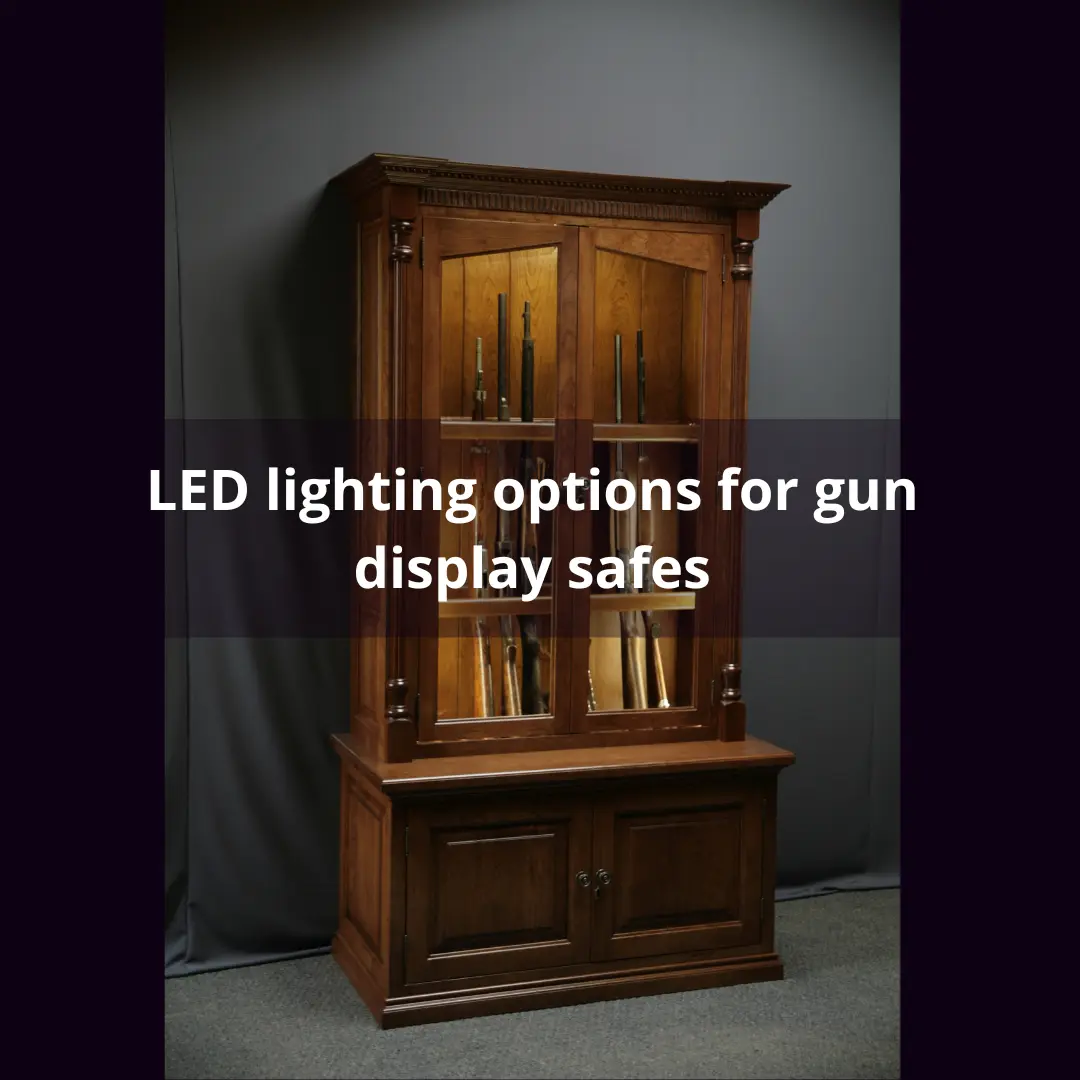
The material of a gun safe significantly influences its durability, aesthetics, and security features. Wood gun safes often appeal to those seeking a traditional look, while steel safes are renowned for their robustness and resistance to forced entry.
Wood safes can be crafted from various hardwoods, providing a unique aesthetic appeal, but they may not offer the same level of security as steel. On the other hand, steel safes typically come with thicker walls and advanced locking mechanisms, making them a preferred choice for maximum protection. Understanding these differences helps buyers align their choice with both functional and aesthetic preferences.
Essential Features to Look for in a Gun Safe
When shopping for a gun safe, certain features can enhance security and usability. Key aspects to consider include the locking mechanism, fire resistance, and the interior layout. Electronic locks, for example, offer quick access, while traditional key locks provide simplicity.
Additionally, features such as adjustable shelving, interior lighting, and fireproofing can significantly impact the safe's functionality. A safe with a fire rating of at least 30 minutes can protect contents from heat damage in case of a fire, ensuring that your firearms and valuables are safeguarded in emergencies.
Understanding Gun Safe Security Ratings
When selecting a gun safe, understanding security ratings is crucial. These ratings provide insight into the safe's ability to protect against unauthorized access and theft. Common rating systems include UL ratings, which assess fire resistance and burglary protection, helping consumers make informed choices based on their security needs.
For instance, a safe with a UL RSC (Residential Security Container) rating has met specific standards for burglary resistance. Additionally, understanding the differences between various ratings can guide buyers in selecting a safe that not only fits their budget but also offers the level of security necessary for their firearms and valuables.
Choosing the Right Size for Your Gun Safe
Choosing the right size for a gun safe is essential to ensure it meets your storage needs without taking up unnecessary space. Consideration should be given to the number of firearms, ammunition, and any additional items you wish to store, such as documents or valuables.
A common mistake is underestimating future needs; opting for a slightly larger safe can accommodate new purchases. For example, if you currently own five firearms but plan to expand your collection, selecting a safe that can hold eight or more will save you the hassle of upgrading later.
Comparing Gun Safe Materials: Wood vs. Steel
The material of a gun safe significantly influences its durability, aesthetics, and security features. Wood gun safes often appeal to those seeking a traditional look, while steel safes are renowned for their robustness and resistance to forced entry.
Wood safes can be crafted from various hardwoods, providing a unique aesthetic appeal, but they may not offer the same level of security as steel. On the other hand, steel safes typically come with thicker walls and advanced locking mechanisms, making them a preferred choice for maximum protection. Understanding these differences helps buyers align their choice with both functional and aesthetic preferences.
Essential Features to Look for in a Gun Safe
When shopping for a gun safe, certain features can enhance security and usability. Key aspects to consider include the locking mechanism, fire resistance, and the interior layout. Electronic locks, for example, offer quick access, while traditional key locks provide simplicity.
Additionally, features such as adjustable shelving, interior lighting, and fireproofing can significantly impact the safe's functionality. A safe with a fire rating of at least 30 minutes can protect contents from heat damage in case of a fire, ensuring that your firearms and valuables are safeguarded in emergencies.