$500 off your next order till the end of the month
Understanding Gun Safe Security Features
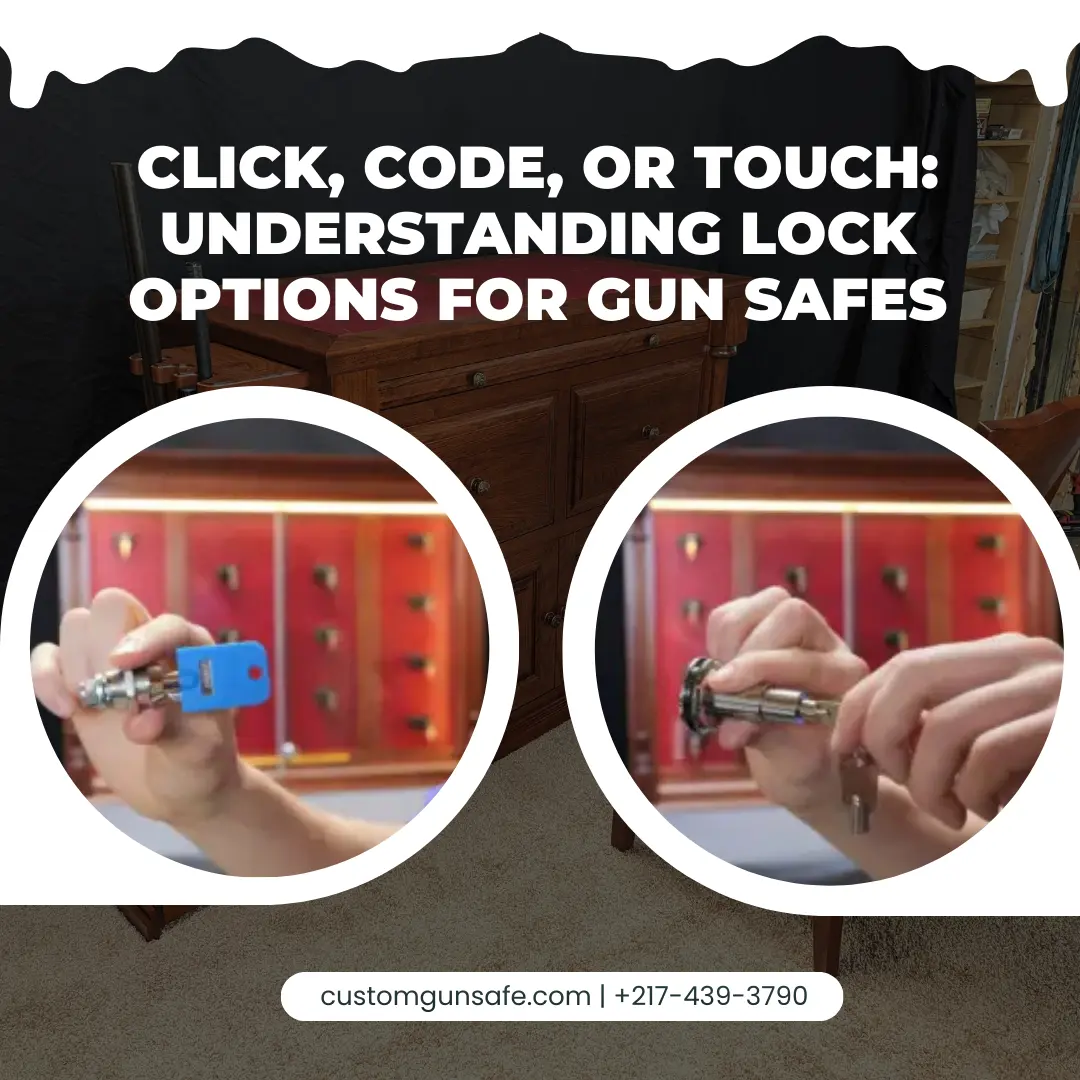
When selecting a gun safe, understanding its security features is crucial for ensuring your firearms are adequately protected. Key features to consider include locking mechanisms, fire ratings, and resistance to unauthorized access. A safe with a high-security lock, such as a biometric fingerprint scanner, offers advanced protection against theft and unauthorized use.
Additionally, many gun safes come with fire-resistant materials that can withstand high temperatures for extended periods. For example, a safe rated for 30 minutes at 1200°F can protect its contents during a fire, providing peace of mind for gun owners. Evaluating these security features can help you choose a safe that meets your specific needs and enhances your overall home security.
Comparing Different Gun Safe Sizes and Capacities
Choosing the right size and capacity for your gun safe is essential to accommodate your collection while ensuring efficient use of space. Gun safes come in various sizes, from small cabinets that hold a few handguns to large vaults designed for multiple rifles and shotguns. Assessing your current and future storage needs will guide your decision on the appropriate size.
For instance, a compact safe may be ideal for handgun storage in a small apartment, while a larger safe with adjustable shelving can cater to an expanding collection in a larger home. Understanding the dimensions and storage capacities available will help you make an informed choice that balances accessibility and security.
Choosing the Right Location for Your Gun Safe
The location of your gun safe plays a significant role in its effectiveness and accessibility. Ideally, a gun safe should be placed in a discreet yet accessible area of your home, such as a basement, closet, or dedicated room. This placement not only helps conceal the safe from potential intruders but also ensures that you can quickly access your firearms in case of an emergency.
Moreover, consider factors such as the weight of the safe and the flooring of the chosen location. A heavy safe may require reinforced flooring to prevent damage. Additionally, ensuring that the location is free from moisture and extreme temperatures will help maintain the integrity of your firearms and the safe itself over time.
Maintenance Tips for Your Gun Safe
Regular maintenance of your gun safe is essential to ensure its longevity and functionality. This includes checking the locking mechanism, ensuring the hinges are well-lubricated, and inspecting the interior for any signs of moisture or rust. A reliable safe should also have a battery backup for electronic locks, which should be replaced periodically to avoid unexpected failures.
Additionally, consider using desiccants or dehumidifiers inside the safe to prevent humidity buildup, which can damage firearms and ammunition. Regular cleaning and upkeep will not only enhance the performance of your safe but also offer peace of mind knowing that your firearms are stored securely and in optimal conditions.
Understanding Gun Safe Security Features
When selecting a gun safe, understanding its security features is crucial for ensuring your firearms are adequately protected. Key features to consider include locking mechanisms, fire ratings, and resistance to unauthorized access. A safe with a high-security lock, such as a biometric fingerprint scanner, offers advanced protection against theft and unauthorized use.
Additionally, many gun safes come with fire-resistant materials that can withstand high temperatures for extended periods. For example, a safe rated for 30 minutes at 1200°F can protect its contents during a fire, providing peace of mind for gun owners. Evaluating these security features can help you choose a safe that meets your specific needs and enhances your overall home security.
Comparing Different Gun Safe Sizes and Capacities
Choosing the right size and capacity for your gun safe is essential to accommodate your collection while ensuring efficient use of space. Gun safes come in various sizes, from small cabinets that hold a few handguns to large vaults designed for multiple rifles and shotguns. Assessing your current and future storage needs will guide your decision on the appropriate size.
For instance, a compact safe may be ideal for handgun storage in a small apartment, while a larger safe with adjustable shelving can cater to an expanding collection in a larger home. Understanding the dimensions and storage capacities available will help you make an informed choice that balances accessibility and security.
Choosing the Right Location for Your Gun Safe
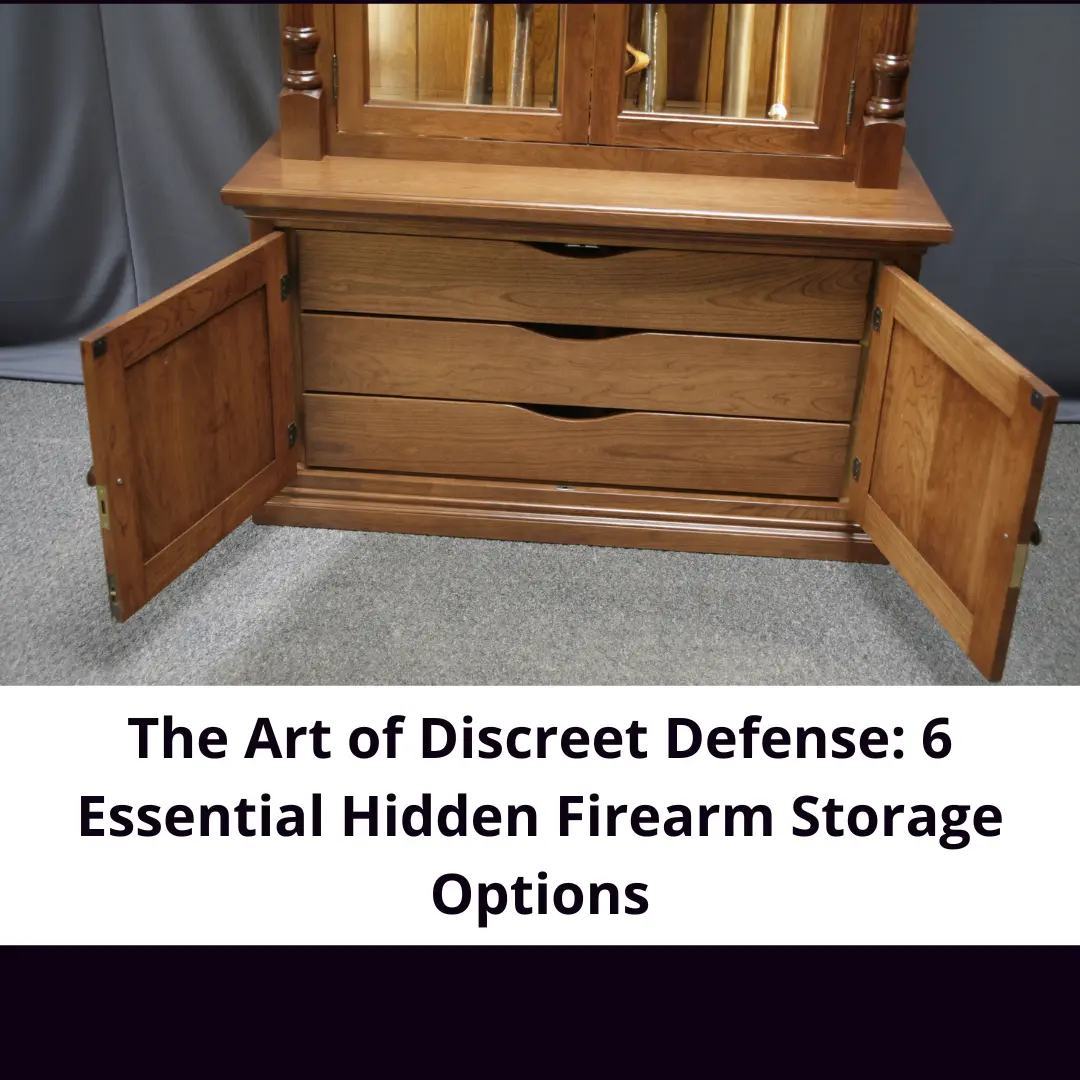
The location of your gun safe plays a significant role in its effectiveness and accessibility. Ideally, a gun safe should be placed in a discreet yet accessible area of your home, such as a basement, closet, or dedicated room. This placement not only helps conceal the safe from potential intruders but also ensures that you can quickly access your firearms in case of an emergency.
Moreover, consider factors such as the weight of the safe and the flooring of the chosen location. A heavy safe may require reinforced flooring to prevent damage. Additionally, ensuring that the location is free from moisture and extreme temperatures will help maintain the integrity of your firearms and the safe itself over time.
Maintenance Tips for Your Gun Safe
Regular maintenance of your gun safe is essential to ensure its longevity and functionality. This includes checking the locking mechanism, ensuring the hinges are well-lubricated, and inspecting the interior for any signs of moisture or rust. A reliable safe should also have a battery backup for electronic locks, which should be replaced periodically to avoid unexpected failures.
Additionally, consider using desiccants or dehumidifiers inside the safe to prevent humidity buildup, which can damage firearms and ammunition. Regular cleaning and upkeep will not only enhance the performance of your safe but also offer peace of mind knowing that your firearms are stored securely and in optimal conditions.