15 Dec 2025 • Reading Time: 3 min
Wood Gun Safes Versus Steel Gun Safes: What Buyers Need to Know
The choice between a beautiful wood gun cabinet and a rugged steel gun safe is a decision between display and defense. Buyers must understand that these storage solutions serve fundamentally different purposes, impacting security, fire protection, and insurance coverage.
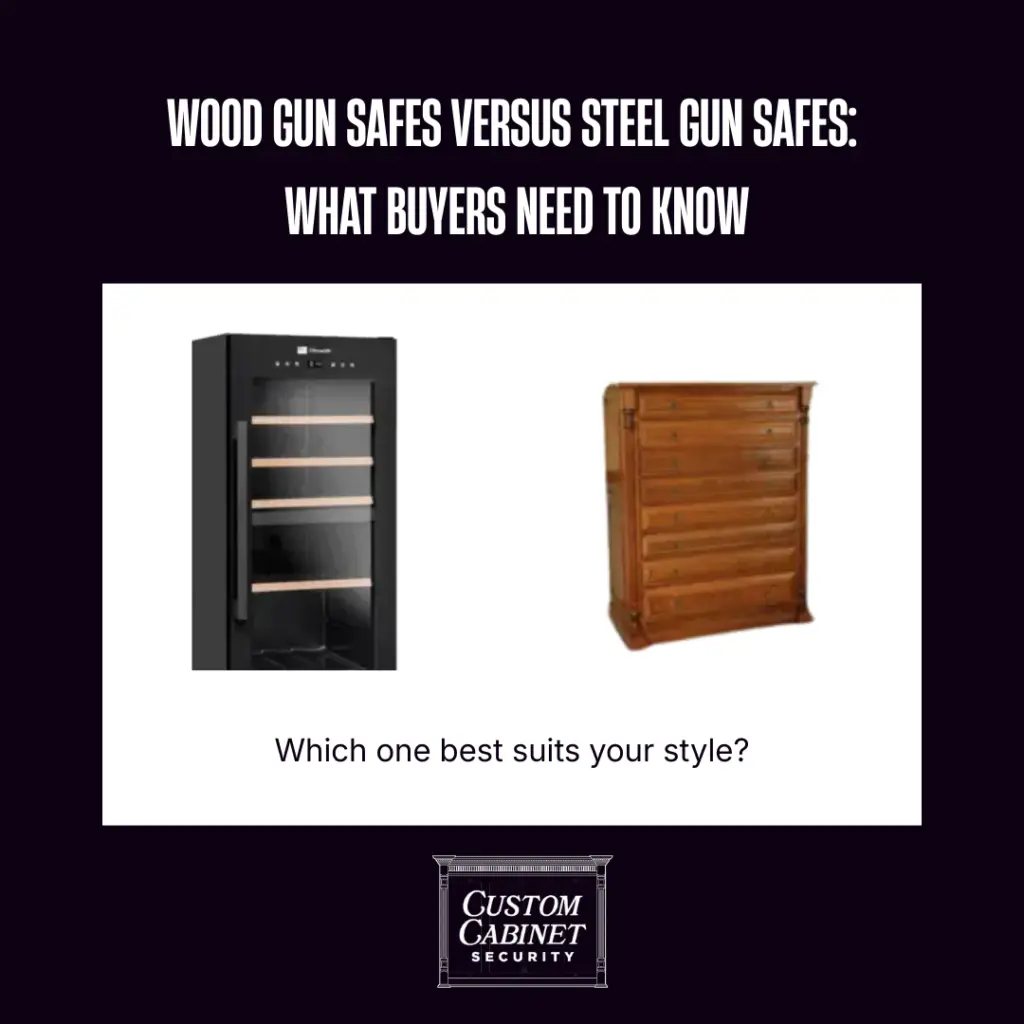
1. Security: Cabinet vs. Safe
The primary difference lies in the level of resistance to unauthorized access and forced entry.
| Feature | Wood Gun Cabinet (Typically) | Steel Gun Safe (High-Quality) |
|---|---|---|
| Construction | Solid wood (oak, maple), often with tempered glass doors. | Thick steel plate (12-gauge up to 1/4-inch plate steel). |
| Security Rating | Residential Security Container (RSC) or None. Primarily a deterrent. | UL Listed TL-15 or TL-30 (certified professional attack resistance). |
| Locking System | Basic keyed lock, simple cabinet lock, or single-point latch. | Advanced UL Type 1 electronic, biometric, or heavy-duty mechanical locks. |
| Pry Resistance | Low. Can be breached with a crowbar or heavy tool. Glass is the primary weakness. | High. Features multi-directional, large-diameter steel locking bolts and pry-resistant doors. |
| Weight & Anchoring | Lightweight, easy to move. Bolt-down is less effective as wood is easier to tear from anchor. | Extremely Heavy. Designed to be bolted to concrete/floor, making physical removal nearly impossible. |
Buyer Takeaway: If your priority is maximum theft protection for high-value collections, firearms, and irreplaceable documents, a steel gun safe with a certified UL Burglary Rating (like TL-15 or better) is the only viable choice. A wood cabinet is designed mainly to keep firearms out of the hands of children and opportunistic thieves.
2. Fire and Environmental Protection
Fire resistance is the most significant functional gap between the two types of storage.
Steel Gun Safes
Steel safes are engineered with layers of specialized fireboard (gypsum or ceramic composites) insulation and heat-expanding door seals.
- Rating: Certified Fire Ratings (e.g., 60 minutes at 1200 degrees Fahrenheit or higher, often ETL or manufacturer-tested).
- Mechanism: They are designed to keep the internal temperature below 350 degrees Fahrenheit (the point at which paper chars) for the rated duration, protecting both firearms (which can warp or have optics/plastics damaged) and sensitive documents.
Wood Gun Cabinets
Wood is combustible, offering virtually no protection in a house fire.
- Rating: None. While a heavy solid hardwood cabinet offers minimal temporary shielding, it will burn when exposed to fire.
- Mechanism: Glass panels will shatter quickly, exposing contents. There are no insulating barriers or heat seals to protect against smoke, heat, or fire damage.
Buyer Takeaway: For any level of fire or water protection (via expanding seals), a steel safe is mandatory. If you choose a wood cabinet for aesthetic reasons, consider storing high-value firearms and documents elsewhere, such as inside a fire-resistant floor safe or vault room.
3. Aesthetics, Customization, and Display
This is the one area where wood cabinets hold the advantage over mass-produced steel safes.
Wood Gun Cabinets
- Display: Often feature beautiful glass doors to showcase a collection, transforming storage into a piece of fine furniture.
- Customization: Custom Amish-crafted gun cabinets can be built from exotic hardwoods and stained to match existing home decor, making them aesthetically seamless in any room.
- Integration: Can be designed as part of a larger built-in library or wall unit.
Steel Gun Safes
- Display: Typically offer discreet storage. While they can be custom-painted (high-gloss, auto finishes) or wrapped, they remain an obvious, heavy, metal box.
- Customization: Customization focuses on internal organization (drawer configurations, lighting, dehumidification systems) and high-security features (thicker steel, TL ratings), not blending into the decor.
The Final Decision: Purpose Dictates Purchase
To make the right choice, determine your primary goal for the storage unit:
- Choose a Steel Gun Safe if:
- Maximum Security against professional burglary is essential.
- Fire Protection for firearms, optics, ammunition, and documents is non-negotiable.
- You are required to use a safe by your state laws or insurance provider.
- You need to secure a high-value or irreplaceable collection.
- Choose a Wood Gun Cabinet if:
- Aesthetics and Display are the highest priority.
- The primary security need is simple childproofing or a basic deterrent.
- You are securing low-value firearms or are storing the cabinet in a monitored environment (e.g., a locked room).
Recommendation: For the ultimate custom solution, some builders offer wood-clad steel safes. These combine a heavy-gauge steel safe body with a beautiful exterior veneer of solid hardwood, offering maximum security and fire resistance with a sophisticated furniture aesthetic.
Would you like to explore the best features of a wood-clad steel safe as a compromise solution?
Related Posts
View All
Uncategorized
Reading Time: 8 min
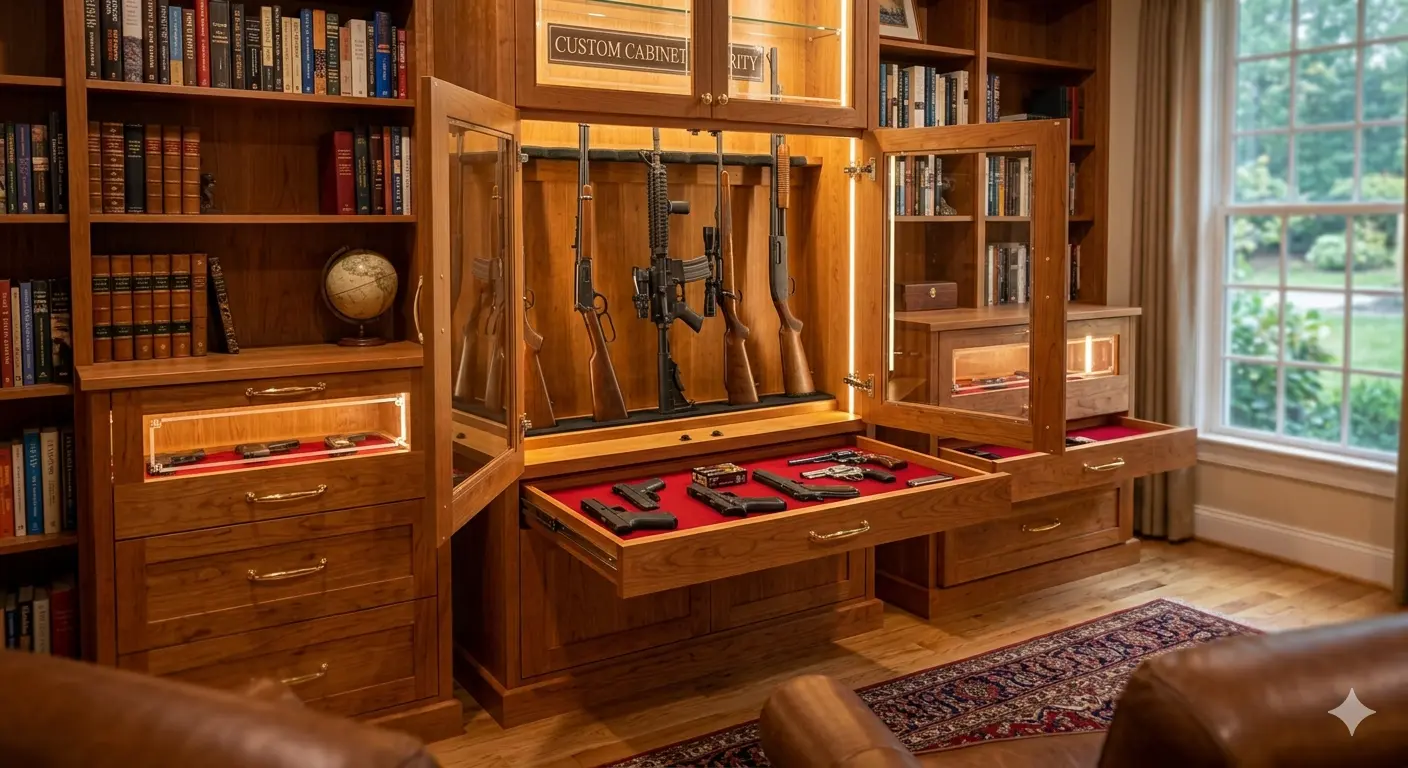
The Resale Value of a Custom Gun Cabinet: Does a Handcrafted Amish Safe Hold Its Value Over Time?
If you’ve ever bought a mass-produced gun safe from a big-box retailer, you already know what happens the moment it
Read More
Uncategorized
Reading Time: 11 min
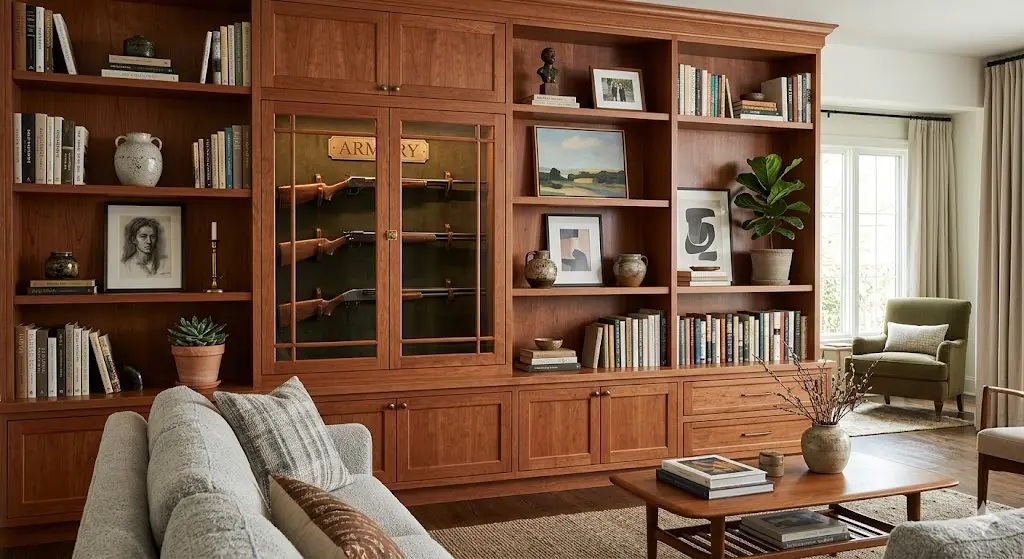
Women Gun Owners: How to Choose a Gun Storage Solution That Fits Your Home’s Style Without Compromise
Key Takeaways The Storage Problem Nobody Talks About Walk into almost any sporting goods store and look at the gun
Read More
Uncategorized
Reading Time: 10 min
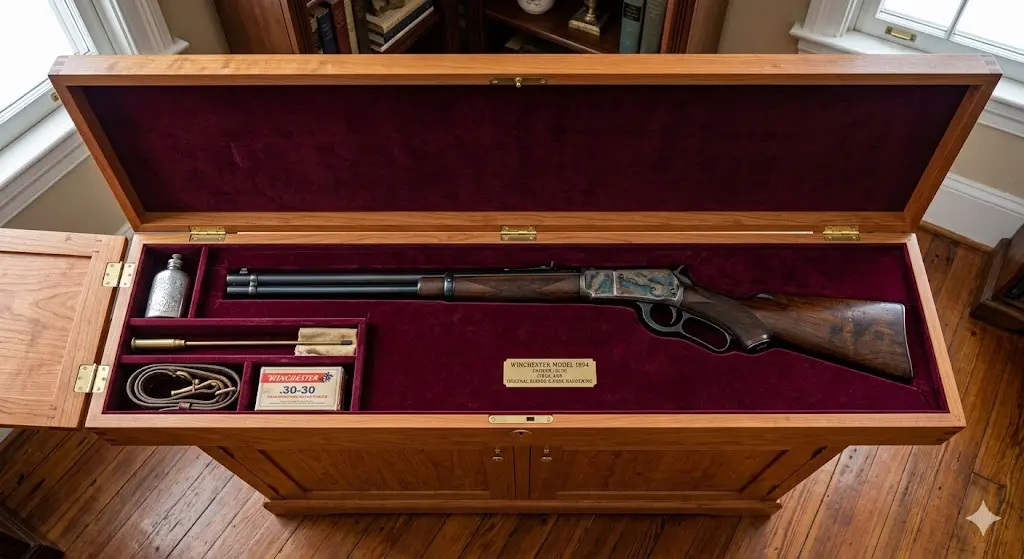
How to Protect Antique and Vintage Firearms in Wood Storage: What Collectors Need to Know About Climate and Finish
Key Takeaways Why Antique Firearms Demand a Different Standard of Storage Storing a modern production firearm and storing an 1860s
Read More
